


The salt's still drying on your shirt, the car smells faintly of sunscreen, and someone's already asking where everyone's getting a drink. That's a good moment for a gift that works beyond the photo: a soft layer with a restrained monogram, not a giant name stitched across the back like a team uniform.
Custom embroidery gifts can become the robe someone reaches for after a swim, the flannel that lives by the cabin door, or the group shirt that makes a wedding weekend feel pulled together. They can also turn stiff, itchy, or awkwardly personal if the fabric, design, and placement aren't considered together. The difference isn't how much thread goes into the garment. It's whether the finished piece feels right when the recipient wears it.
The Embroidery Gift That Gets Worn
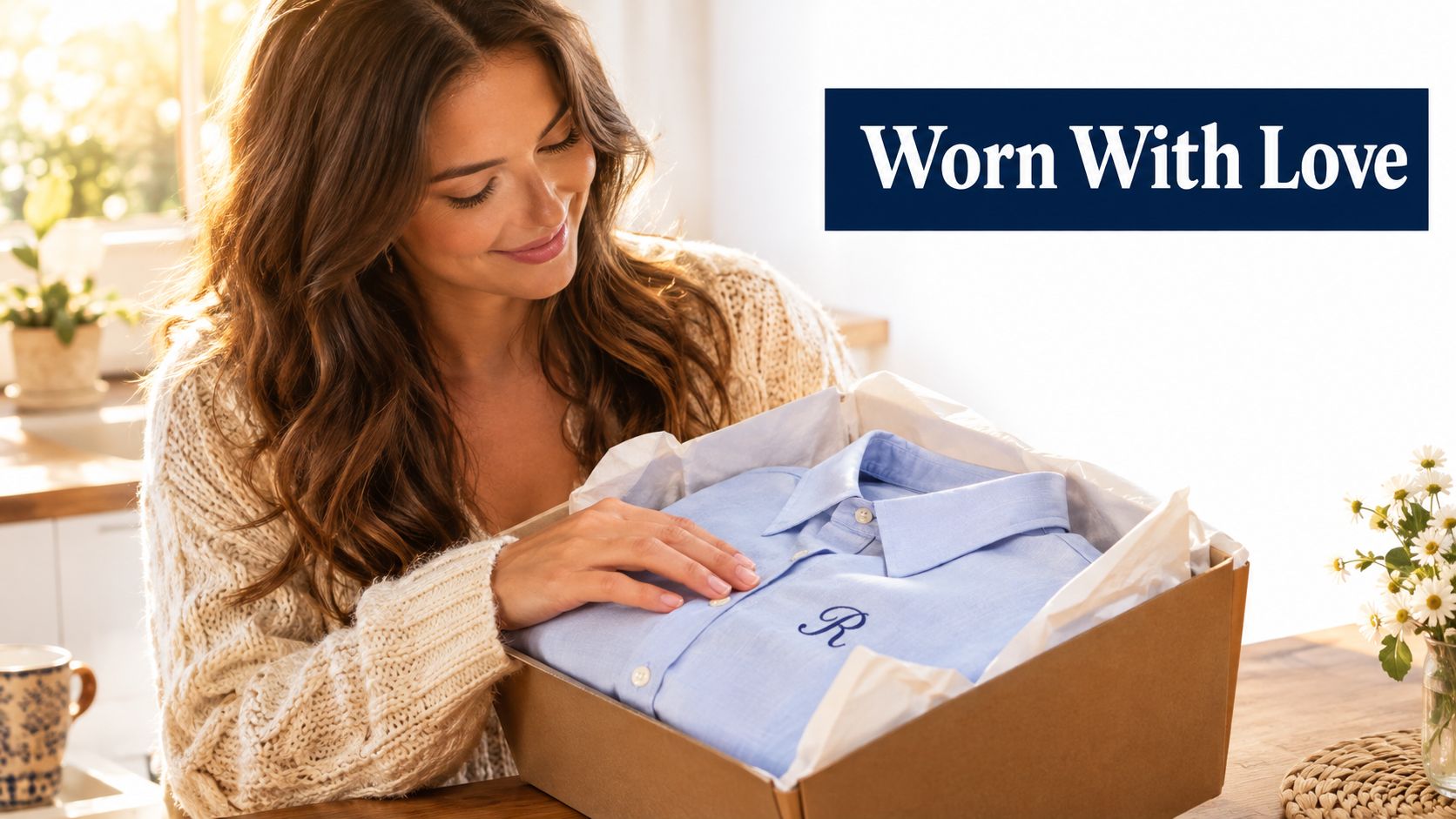
The gift box is open, and your friend runs a hand over the embroidered initials before trying on the robe. The fabric feels plush. The monogram feels like cardboard, right where the collar touches their neck. You chose the color and spelling carefully, but the stitching has made a comfortable gift uncomfortable. Back onto the chair it goes.
Make comfort part of the embroidery order from the start. Ask for fabric-matched digitizing, so the stitch file suits the garment's surface and movement. Check placement on terry and fleece with the piece worn, especially near collars and other contact points. The garment, artwork, placement, and stitch setup are one decision, and approving a pretty screen mockup alone leaves too much to chance.
Embroidery has long marked identity and ownership, and it now sits within a broad apparel and personalization market. Market Growth Reports' embroidery market estimate puts it at approximately $1.63 billion in 2025, projecting $2.95 billion by 2035. Definitions vary between reports, so those estimates say little about the quality of the robe in your shopping cart.
For group gifts and corporate orders, request a stitched sample on the intended fabric before approving the batch. Then check names, initials, and placement against one agreed proof. A spelling error repeated across an order makes for an expensive pile of apologies.
Keep personalization restrained and choose apparel that fits the recipient's routine. Skip the oversized lettering that turns a useful layer into event merchandise. The best personalization doesn't shout over the gift.
Pick the Right Garment Before You Pick the Design
Start with the recipient's routine, then think about the fabric. A terry-lined shirt makes sense for a beach weekend and the drive home from the water. A robe suits slow cabin mornings or post-swim warmth. A flannel can take a crisp, understated monogram for outdoor wear. The trick is matching the stitch plan to the surface.
High-pile terry can hide fine details, especially small lettering. Fleece and stretch knits can shift or pucker if the design lacks suitable underlay and stabilization. Woven flannel generally gives stitches a steadier surface, but that doesn't mean every design should be packed with thread. Excessive stitch density can stiffen and distort fabric; too little can leave gaps. The right setting depends on the garment, not a universal recipe. (Embroidery digitizing guidance on density and underlay)
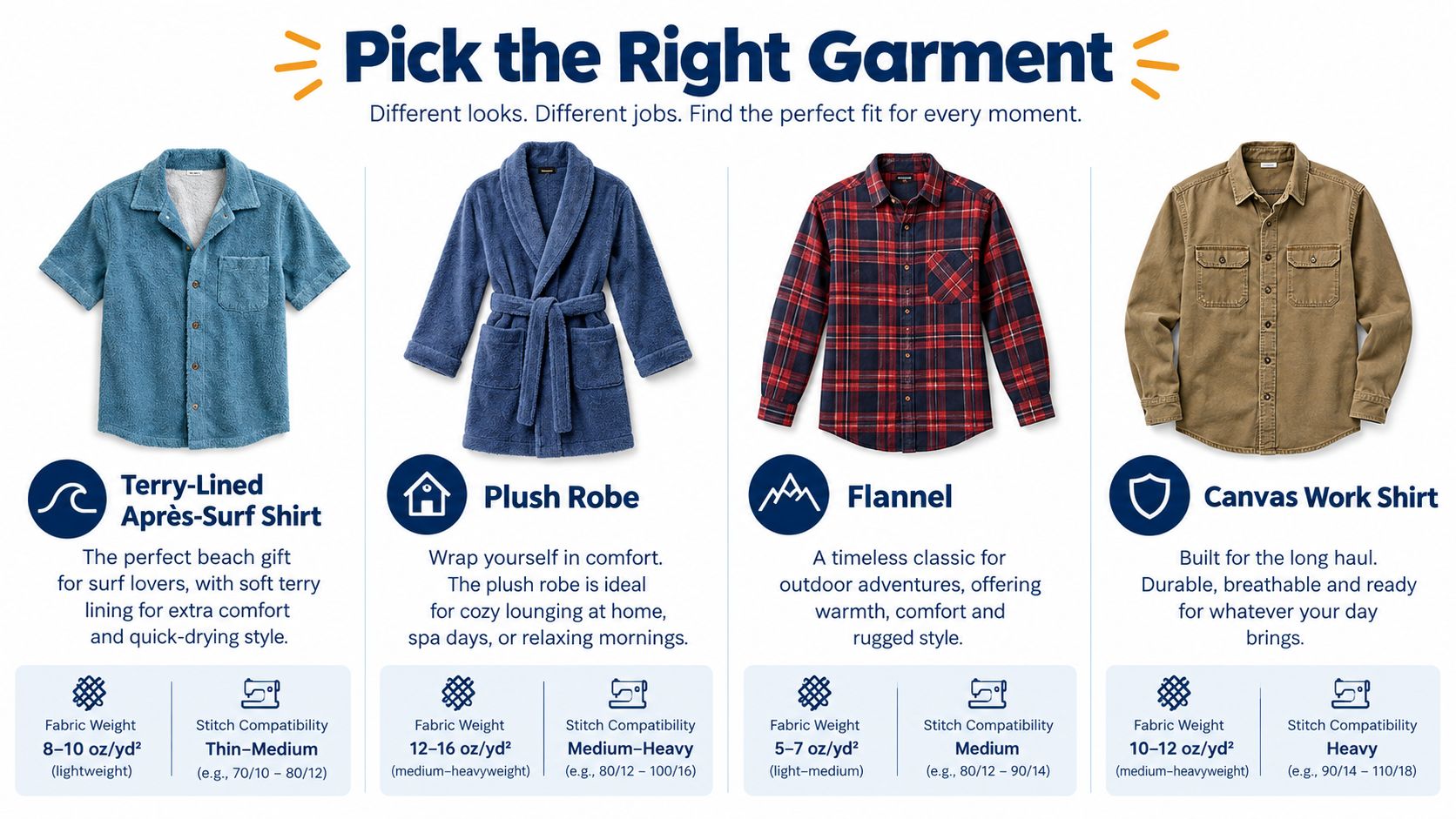
| Fabric | Pile / Stretch | Embroidery Behavior | Smart Adjustment |
|---|---|---|---|
| Terry-lined shirt | Looped pile, usually low stretch | Small lettering can sink into the surface | Simplify details and test a suitable laydown approach |
| Plush robe | Pile varies by fabric | Dense designs can feel bulky | Choose restrained lettering and a comfortable placement |
| Flannel | Woven, little stretch | Often supports crisp edges | Use a balanced density and avoid overcomplicating the design |
| Fleece or knit | Soft, often stretchy | Can shift, distort, or pucker | Use appropriate underlay, backing, and a garment-matched sewout |
A product page won't tell you everything about how a stitched design will feel. Check the fabric texture, stretch, seams, and available embroidery area. If you're choosing a shirt for a group, California Cowboy's shirt measuring guide can help you coordinate sizing before you settle on the design.
Graduation gifts need their own kind of garment and placement. If you're shopping for an embroidered stole rather than apparel, browse graduation stole options for a useful reference point on that specific keepsake format. For a shirt, robe, or fleece gift, the rule stays practical: pick the base first, and don't approve a design until someone has tested it on a matching material.
Artwork, Monograms, and Fonts That Survive Stitching
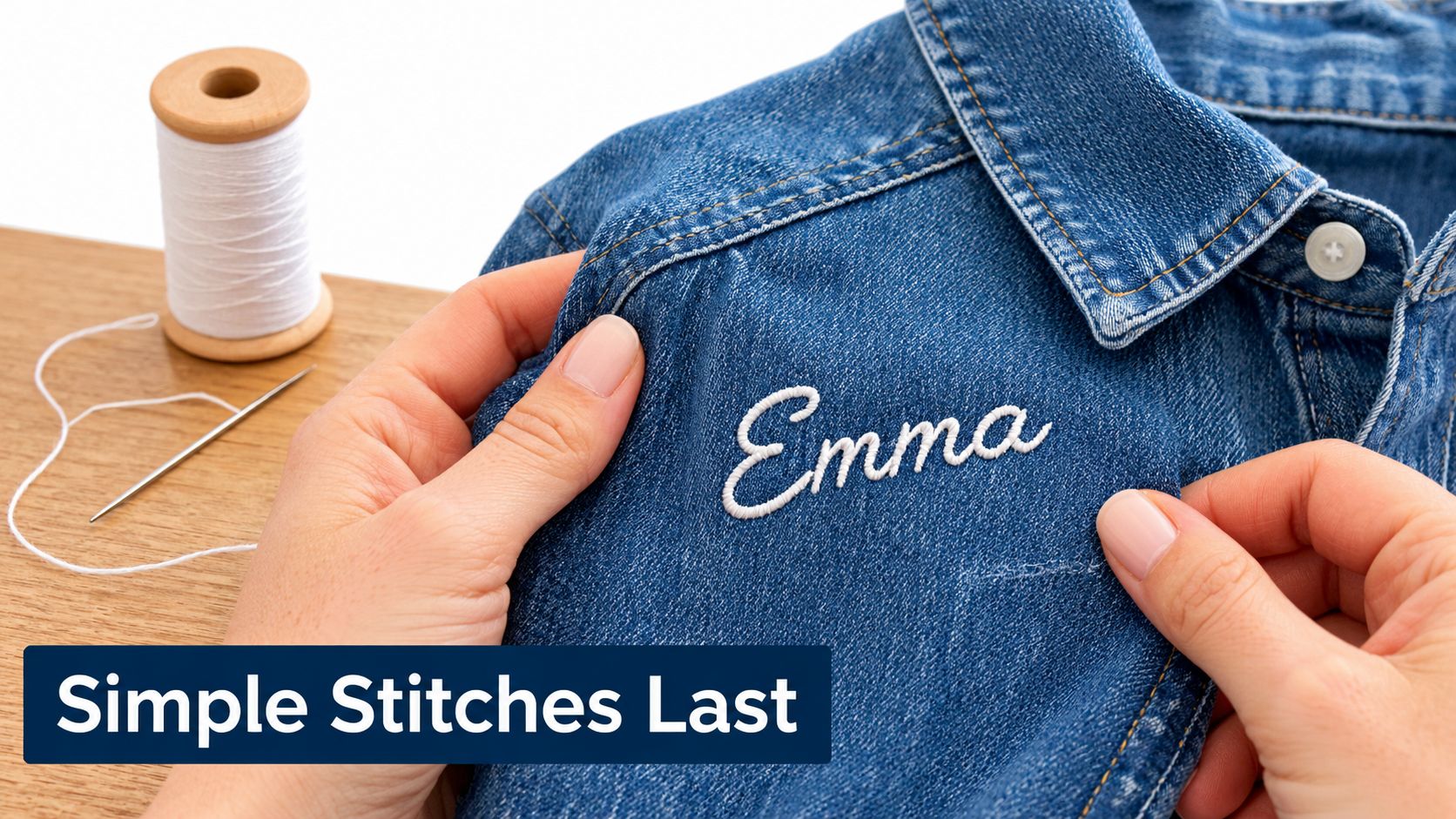
A design that looks elegant on a screen can turn muddy once a needle translates it into thread. Keep the artwork simple enough to hold its shape on the actual garment, especially if it's terry or fleece.
Choose what you're personalizing before you pick the font:
- Initials or a monogram: A reliable choice for a robe, flannel, or shirt someone will wear often. Keep the arrangement readable, and confirm the order of the initials with the recipient or gift buyer.
- A name: Works well when the name has enough room to remain legible. Ask for a proof at the intended size, not just a sample image enlarged on a screen.
- A logo or small graphic: Send clean artwork and ask which details will survive stitching. Hairline outlines, tiny text, and crowded shapes are the first things to simplify.
Favor lettering with clear spacing and a stroke weight that won't vanish in textured fabric. Very thin scripts and tightly packed serifs can lose definition, while a clean block or moderately bold letterform tends to stay legible. Thread color changes the feel, too. Tonal thread keeps a gift subtle; contrast thread makes the personalization easier to see. Pick based on the recipient's style, not on what looks dramatic in a product mockup.
Before you approve anything, check the wording, spelling, size, thread color, and placement on the proof. A screen preview is useful for layout, but it can't show how the design will sit on a terry loop or stretch knit. If you're comparing formats for a personalized apparel gift, California Cowboy's guide to custom monogrammed clothing gifts offers another way to think through the choice.
See how artwork is translated into stitching, then use that as a prompt to ask the embroiderer what they'd simplify for your garment:
Placement and Thread Choices That Decide How It Feels
The recipient doesn't experience embroidery as a product-page mockup. They feel it against their body, under a jacket, or where a seam catches. Put personalization where it looks intentional and stays out of the way.
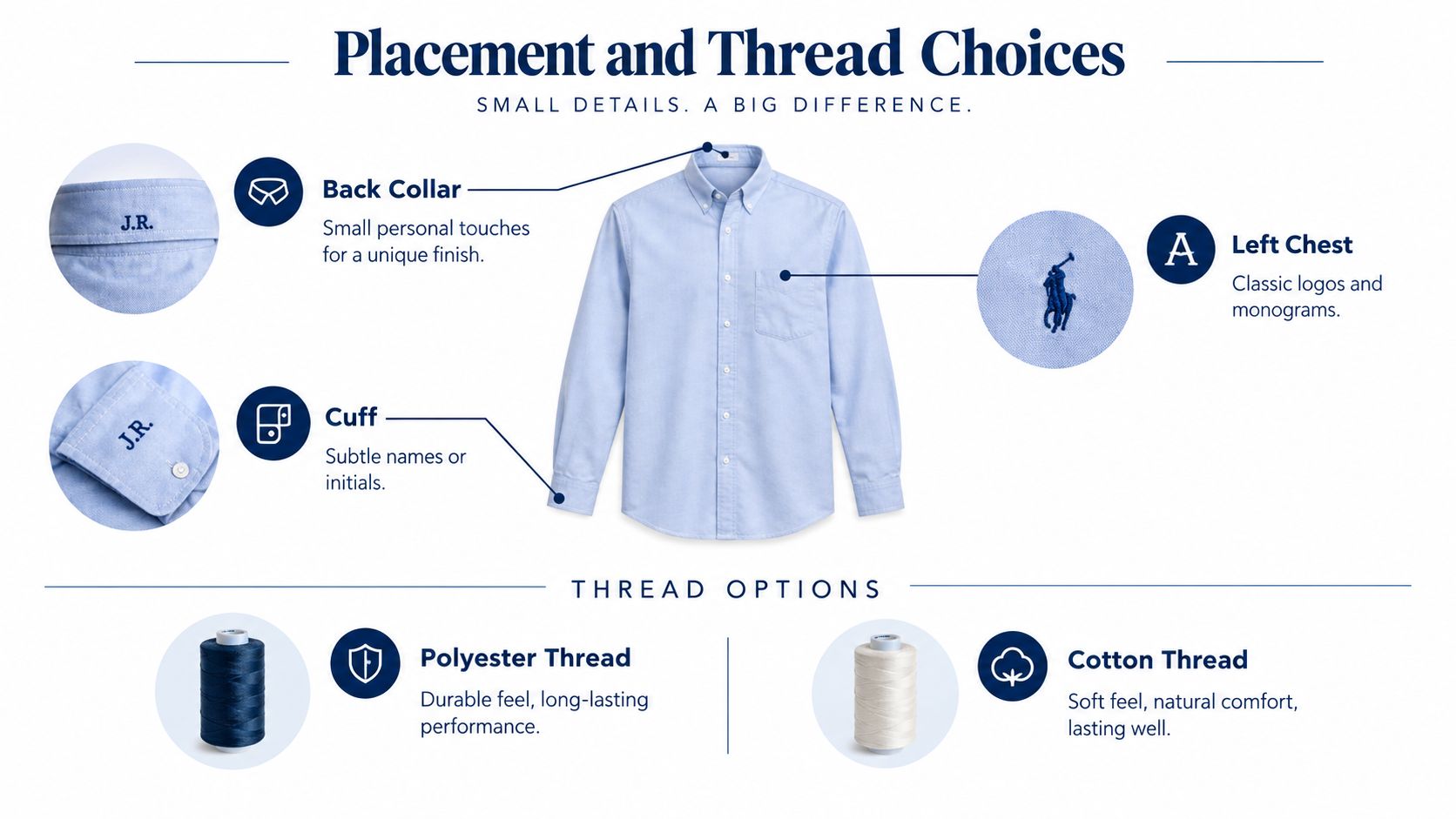
- Left chest: A familiar spot for a small logo or monogram. On a shirt or fleece, it reads clearly without dominating the garment.
- Cuff: A good home for discreet initials or a short name. Keep the design small, since the cuff bends and folds during wear.
- Hood or back yoke: These can suit a small personal detail, but check how the hood folds and whether a backpack or collar will rub over the design.
- Interior placket: A more private placement that keeps the outside clean. Confirm that the backing won't irritate the wearer.
Thread, backing, and density affect both appearance and comfort. Ask the embroiderer to match the needle, thread weight, backing, and stitch settings to the fabric. A production guide from Madeira gives a useful tension diagnostic: roughly 5 m of upper thread and 3 m of bobbin thread per 1,000 standard-length stitches, with a correctly tensioned design typically showing about one-third bobbin thread on the reverse. These are diagnostics for production, not a substitute for testing the finished garment. (Madeira's digitizing and thread guidance)
Comfort check: Ask for the lowest stable thread load that still gives the approved coverage and clean edges. More thread isn't automatically better.
For color, choose a tone that suits the garment and the occasion. Corporate colors may need to match a brand palette; wedding gifts can echo the event without looking like uniforms; a personal gift may call for a quiet contrast the recipient already wears. Keep the design proportional, and check how it looks with the garment on a person, not only laid flat. For headwear or accessories, California Cowboy's six-panel hat guide can help you think through a different embroidery surface and placement.
The Ordering Workflow That Prevents Costly Mistakes
A group embroidery order gets messy when details live in scattered texts and someone approves a mockup without knowing what fabric it represents. A clean workflow keeps the names, sizes, artwork, and production decisions in one place.
From artwork to a tested sewout
Digitizing turns artwork into a machine-readable file. The digitizer assigns stitch types and directions, adjusts density for the material, and accounts for underlay and pull compensation. Then the embroiderer should sew a sample on material that matches the final garment. A software preview can't reveal puckering, stiff coverage, or details swallowed by pile.
Ask for a physical sewout or garment sample before approving a larger run, especially when the order includes different materials. Require one approved physical sample for each materially different base, such as terry, fleece, knit, or woven shirting. Check coverage, edge definition, gaps, puckering, and how comfortably the piece bends and moves.
One record, one approved version
Put the order information in a shared document. Include each recipient's name and spelling, garment and size, placement, thread color, shipping address, artwork version, and approval status. After the sample is approved, freeze the file version, placement, dimensions, and colors. Last-minute changes should trigger a fresh proof, not an optimistic “it'll probably be fine.”
For robe orders, a custom robe ordering guide from ChoirBuy can offer a useful comparison for thinking through group coordination and logo decisions. For personalized group apparel, California Cowboy's group gift guide can help you consider the order as a coordinated set rather than a pile of separate requests.
Don't accept a vague delivery promise before the maker has confirmed garment availability, sample approval, and production timing. Rush fees exist because rushing compresses real steps, including proofing and sampling. If the deadline matters, ask what must be approved by when and whether the maker can meet it without skipping the sample. A misspelled name or wrong thread color is not a charming surprise. It's a preventable production error.
Matching the Gift to the Moment
A gift works when the garment belongs in the recipient's life after the event. For wedding robes, choose a soft base and discreet initials or a small name placement. The bride can give matching robes for a coastal bachelorette weekend, but don't turn everyone into a walking billboard for the party. Initials or a small location reference feel personal and remain wearable after the photos.
For bachelor weekends and groomsmen gifts, try a shirt or flannel that works beyond the group trip. A small chest monogram beats a huge slogan that the recipient will avoid wearing at home. Wedding guests spend about $150 per gift on average, according to a figure attributed to The Knot in a market-statistics compilation. Treat that as a reference point, not a spending rule. (Wedding gifting budget context)
Corporate gifts need a different kind of restraint. An embroidered flannel after a leadership retreat can feel more thoughtful than generic branded gear if the recipient would wear it anyway. Keep the logo modest, confirm brand colors against the actual thread, and make sure the garment suits the group's day-to-day routines. For golf-related gifting, browse useful golf gift options for another perspective on matching personalization to a shared activity.
For holidays and personal milestones, robes, fleece, and outerwear can mark the morning coffee on a cabin deck or the first drink after the lifts close. California Cowboy designs shirts, robes, and outerwear for post-adventure comfort, with options for custom monogramming and group or corporate gifting. If you're choosing for a wedding, its guide to personalized wedding gifts can help you keep the look coordinated without overdoing the matching.
Complete the Look
Make the outfit usable after the main event. Pair an embroidered shirt or robe with a simple tee, a hat, or a koozie, not a stack of extra branded pieces the recipient didn't ask for. Keep the embroidery as the personal detail and let the rest of the look stay easy.
Want a gift that gets worn after the toast, the swim, or the last run down the mountain? Explore California Cowboy for shirts, robes, outerwear, and accessories designed for life offline, then choose a restrained monogram that belongs in the recipient's real routine. Join the Vital Few newsletter for first access to product drops and a little more inspiration for the next group trip.

