


The cedar boards are cold under your boots, your breath shows in the mountain air, and somebody is making a heroic attempt to open a bottle with a ski key. You've just come off the lifts, your gloves smell faintly of pine and lift-line coffee, and changing clothes feels wildly unnecessary. A good womens plaid flannel earns its keep right there.
The right shirt isn't just a fall basic. It's the layer you pull on for the drive home from the beach, the first drink after the lifts close, the morning coffee on the cabin deck, and the parking-lot tailgate that somehow lasts until dark. It should help trap residual body heat, release the sweat from the last run, and still look intentional under string lights. Choose the fabric, fit, and pattern well, and you'll have a socially confident layer for life offline, from serendipitous encounters to plans that were never on the calendar.
The Vibe Check on a Cabin Deck
Your boots still carry parking-lot snow. A metallic mug clinks against the cabin railing, the sunset turns the glass doors gold, and the temperature has dropped enough that everyone is pretending not to notice. You're halfway through après-ski, not ready for pajamas, and the flannel you grabbed is doing more visual work than the rest of the outfit combined.
That moment reveals what womens plaid flannel needs to do. It must sit comfortably over a thermal without strangling your shoulders, breathe when your body is still warm from the mountain, and hold enough structure to look deliberate rather than borrowed from the back of a camping chair. A soft nap helps create warmth by trapping a thin layer of air, while a breathable cotton construction keeps the shirt from becoming a portable sauna.
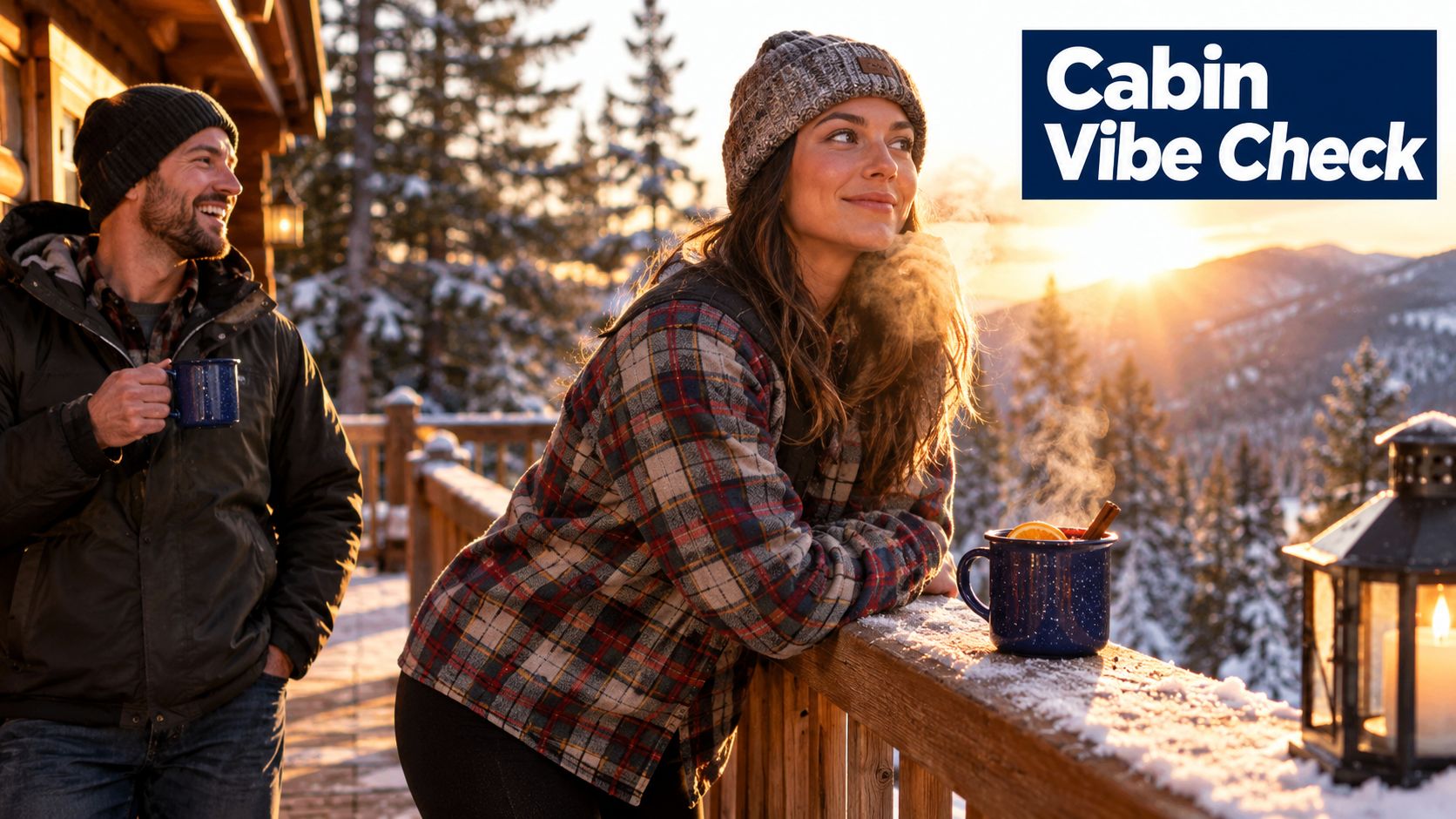
Social spec: A useful flannel should let you holster your tech, move between the firepit and the kitchen, and stay comfortable when the “quick drink” becomes dinner.
The best version works after the activity, not only during it. Think of the transition: the chairlift is over, the surfboard is on the roof, the trailhead lunch is happening, and nobody wants to dress like they're headed back to an office. That's why I like a plaid shirt with a clean shoulder line, useful pockets, and enough room to layer without creating a fabric traffic jam.
For more ideas on making the transition from mountain day to cabin evening, use this mountain cabin outfit guide. Your goal isn't to look like you tried to recreate a catalog. It's to look ready for the next good thing.
Tartan traditions give plaid a long history. Plaid patterns date to at least the 16th century in Scotland, while flannel cloth is commonly traced to 17th-century Wales. In the United States, plaid flannel became associated with workwear in the 19th century, Buffalo plaid was introduced by Woolrich Woolen Mill in the 1850s, and women's versions gained a distinct milestone when Pendleton introduced a female version in 1949. By the 1990s, grunge had made plaid flannel a global fashion symbol. Neiman Marcus traces these historical markers from utility layer to recurring style language.
That history matters because it explains the staying power. The shirt you wear tonight should feel connected to all those eras without looking trapped in any of them. Fabric, fit, and styling decide whether it's a one-season impulse or the layer you'll still reach for in 2031.
What Flannel Actually Is and What Plaid Is Not
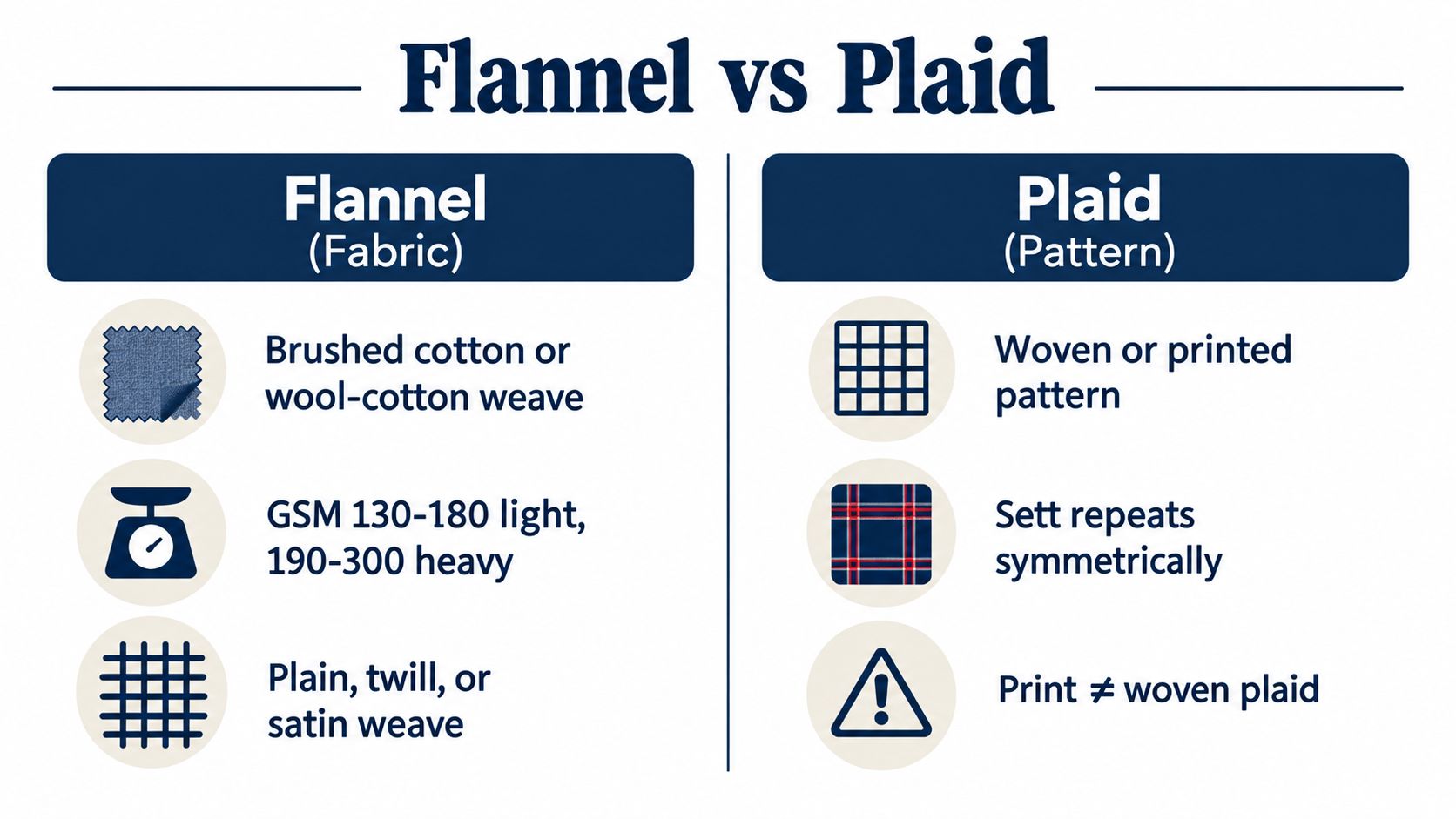
Flannel is a fabric. Plaid is a pattern. The distinction sounds basic, but retailers blur it constantly, and that confusion can leave you with a printed cotton shirt that looks plaid but feels nothing like flannel.
Flannel is commonly a plain- or twill-weave cotton fabric that's mechanically brushed, or napped, on one or both sides. Brushing lifts short fiber ends, creating a soft surface that traps a thin insulating layer of air. Double-napped flannel generally feels warmer than single-napped flannel, while the raised surface can pill more easily in high-friction areas such as cuffs, collars, and underarms. This textile guide explains the brushing process and its tradeoffs.
Plaid describes the crossing bands of color. Tartan, buffalo check, windowpane, and gingham all produce different visual effects. A large buffalo check reads bold and outdoorsy. A narrow windowpane looks quieter and can work under a blazer. A tartan with several colors brings heritage energy, while a restrained two-color check looks cleaner with denim or corduroy.
Read the tag before you trust the hanger
Use this sequence when you're shopping:
- Start with fiber content: Cotton or a cotton-wool blend usually gives you the familiar soft hand. Technical synthetics may suit damp conditions, but they create a different feel and appearance.
- Check the weight: A technical fabric guide places flannel broadly around 150 to 300 GSM, with shirts commonly around 150 to 200 GSM and heavier cold-weather pieces reaching 250 to 300 GSM. Apex Fashion Lab outlines these weight ranges.
- Look for the finish: Lightly napped fabric works well for layering. A double-brushed surface feels warmer and more substantial, though you'll need to watch friction and care.
- Inspect the pattern: Yarn-dyed checks generally have more depth than a flat surface print. A printed plaid can still be attractive, but don't mistake the design for proof of fabric quality.
For a deeper comparison of soft flannel alternatives and construction, browse this premium flannel guide. The point is simple: plaid tells you what the shirt looks like. Flannel tells you how it feels and performs.
Fits and Silhouettes Worth Your Closet Space
The right fit depends less on a universal body-type rule and more on what you want the shirt to do. A flannel for a high-rise jean has a different job from one meant to survive a thermal, a puffer vest, and a long afternoon on the deck.
| Fit | Best For | Layering To |
|---|---|---|
| Cropped utility | Petite frames, high-rise jeans, leggings | Over a fitted tee or thin thermal |
| Classic relaxed | Medium builds, one shirt for shirt-or-jacket duty | Over a tee, under a vest |
| Long tunic | Taller frames, leggings, tailgate-to-couch dressing | Over a long thermal or fitted base |
| Oversized boyfriend | Layered streetwear, relaxed weekend outfits | Over a thermal, under a chore coat |
A cropped utility fit works when you want your waistline and high-rise denim to remain visible. It's especially good for a Sunday farmers market, where you want movement without a shirt hem swallowing the whole outfit. Petite shoppers should watch pocket placement and shoulder width. Too much fabric in either area can make the shirt look like it's wearing you.
The classic relaxed fit is the most versatile choice. It can read as a shirt with sleeves down or a lightweight jacket with the front open. Choose this silhouette for an après-ski deck when you want to move from the bar to the firepit without fuss. A curved hem adds ease, while a straighter hem looks sharper tucked into jeans.
A long tunic gives taller shoppers extra coverage and makes leggings feel intentional rather than like an emergency outfit. It's the natural choice for the tailgate-to-couch route. The oversized boyfriend cut is for a thermal underneath, relaxed denim, and a beanie that says you know exactly where the good coffee is.
The most useful size is the one that leaves room for your intended base layer without pulling across the back.
If you're measuring from home, use this shirt measurement guide before ordering. If you plan to wear a thermal underneath, try one size up from your fitted-shirt size. A tight flannel can't breathe, layer, or look relaxed.
Layering for Après-Ski and Cabin Weekends
Build the outfit from the skin out. Flannel works best when it has a defined role instead of being forced to handle every temperature at once.
Start with a merino or thermal base layer for cold chairlift rides. It should sit close to the body and move sweat away from your skin. Add fleece or down when the weather demands more insulation. Then decide whether your flannel is the mid layer or the visible outer layer.
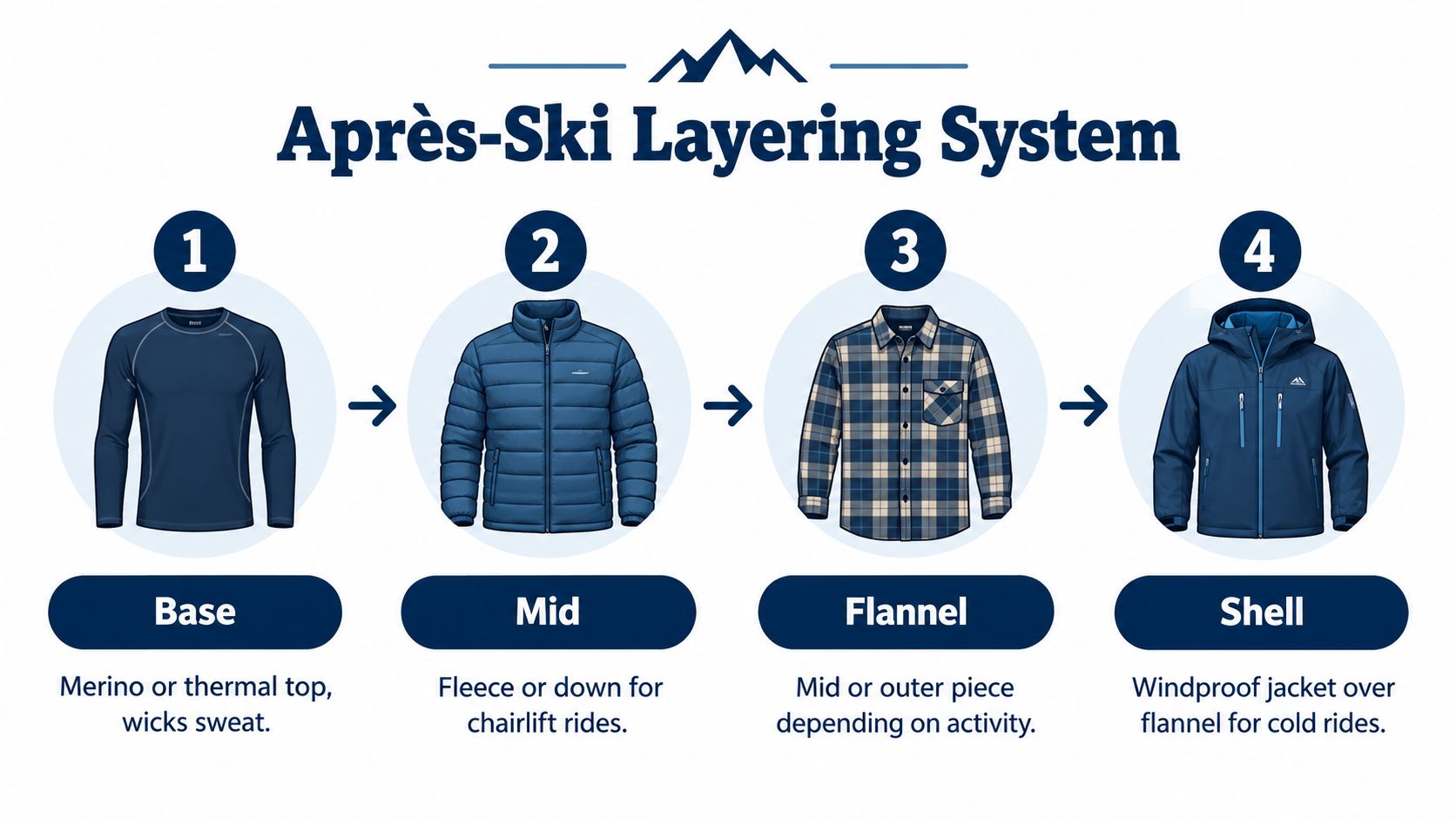
Three combinations that actually work
- Sunny spring ski afternoon: Wear a lightweight thermal, a single-napped flannel, and a packable down vest. Leave the flannel open at the neck and push the sleeves just below the elbow once you're off the mountain.
- Snowy December lift line: Use a fitted thermal, fleece or down mid layer, and a heavier flannel beneath a windproof shell. Keep the flannel close enough to avoid bulk at the wrists.
- Chilly October tailgate: Pair a tee or light thermal with a relaxed flannel and chore coat. Tuck only the front hem into high-rise denim, then let the back hang loose for movement.
Breathability matters. If the fabric only adds insulation, you'll overheat during the walk from the lift to the lodge and then feel cold when you stop. A brushed cotton flannel earns its place by helping manage that transition while giving the outfit texture.
For sleeve control, roll once to the forearm and once again to create a clean cuff. For hem control, use a half-tuck rather than a full tuck, especially with high-rise pants. You want a little shape, not the appearance of wrestling with your clothes in a snowbank.
If you're planning a low-key mountain escape without a packed itinerary, these Staycation Giveaway details from Yeti Retreats can help turn a regular weekend into a proper reset. Bring the flannel. Leave the notifications behind.
Here's a visual walkthrough of the layering logic:
For a more detailed cold-weather system, save this thermal layering guide for ski trips. A good outfit should let you holster your tech and stay present for the first drink, the bad joke, and the unexpected invitation to dinner.
How to Tell a Quality Womens Plaid Flannel
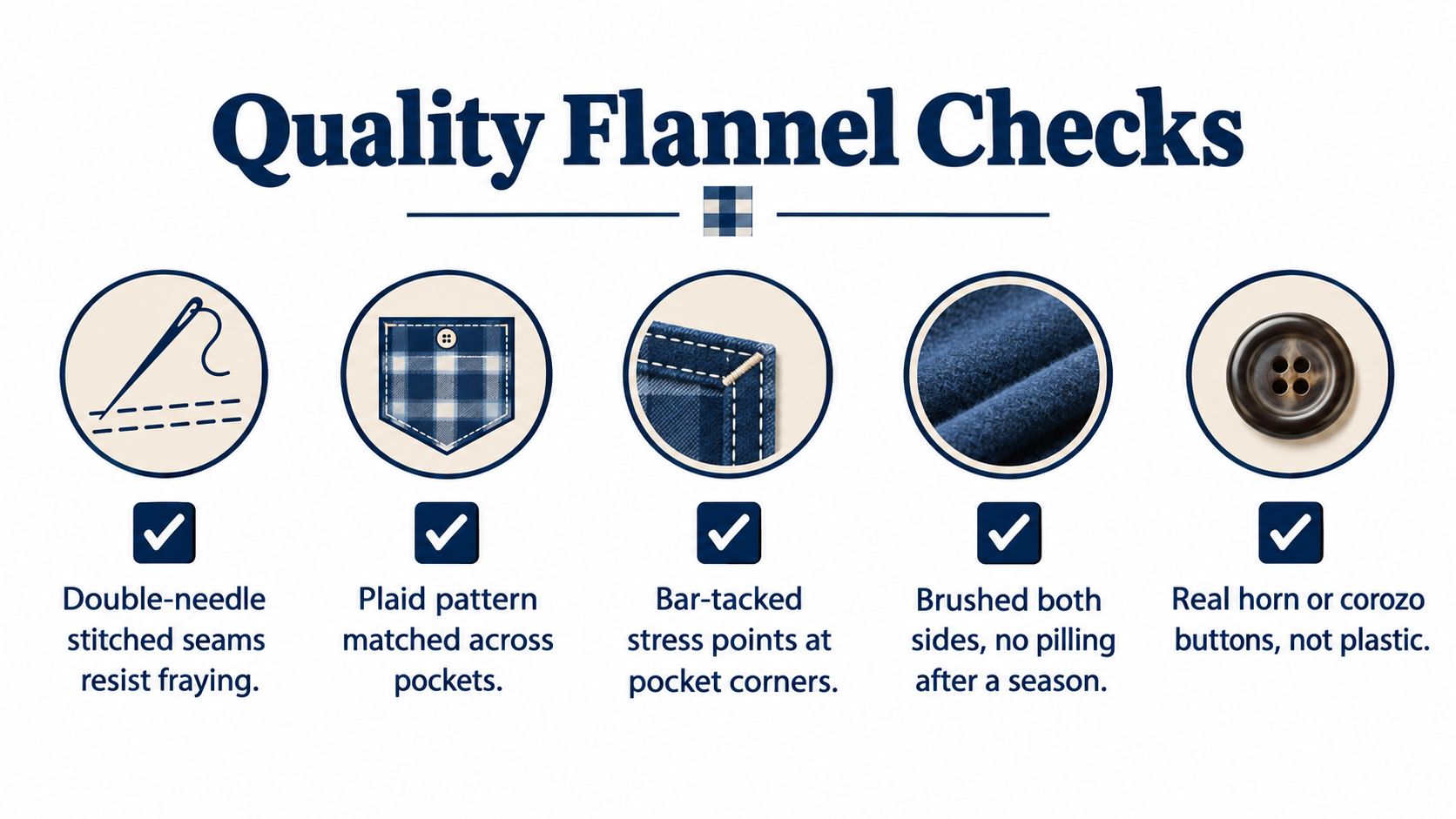
Quality shows up in the places you touch and stress first. Run your fingers along the seams, check the pocket alignment, flex the cuffs, and inspect the buttons. A shirt can have an excellent color story and still fall apart emotionally, structurally, and in every other way after a few cabin weekends.
Look for double-needle stitching at major seams, reinforced stress points around pockets, and buttons that feel securely attached. Matched plaid across a pocket won't make the shirt warmer, but it signals deliberate cutting and gives the front a cleaner finish. Bar-tacks at high-stress corners are another useful construction cue.
The fabric itself should have a consistent nap. If one section feels slick and another feels fuzzy, the finish may be uneven. A cotton-wool blend can add warmth and texture, while brushed cotton tends to feel easier for everyday wear. Technical synthetics may make sense for damp lift rides, but they won't necessarily deliver the same fireside softness.
The one-minute shop test
- Touch the surface: It should feel soft without shedding loose fuzz.
- Bend the cuff: The fabric should recover rather than stay permanently crushed.
- Study the pocket: The plaid should look intentional across the panel.
- Test the buttons: They should sit firmly and pass through the buttonhole without a wrestling match.
- Check friction zones: Cuffs, collars, and underarms deserve a close look because brushing can make those areas more vulnerable to pilling.
A flannel for fireside lounging can prioritize softness and a generous nap. A shirt for damp outdoor use should prioritize recovery, reliable stitching, and a surface that won't feel waterlogged. Don't buy a heavy shirt just because it feels impressive in the store. Buy the construction that matches the after-activity moment you truly live.
For a sharper philosophy on buying fewer, more useful pieces, read this quality-over-quantity clothing guide. Then reward your decision with something suited to the setting, such as Kunde Winery's wine club allocations for a cabin weekend where the flannel has already done its part.
Three Outfits for the After-Activity Hours
The first outfit belongs in the parking lot after a mountain day. Choose a fitted buffalo-check flannel, black leggings, and après boots. The narrow fit keeps the bold pattern from becoming visually oversized, while the black base gives the check somewhere to land. Add a beanie and a vest if the temperature dips, then head for the tailgate without looking like you're still waiting for the shuttle.
Buffalo check works here because the setting can handle confidence. It reads quickly under a string of outdoor lights, photographs well beside a dented cooler, and doesn't require jewelry or complicated styling. Keep the rest simple. The parking lot is not the place for an outfit that needs a committee.
The second look is for Friday cabin night, when dinner is informal but everyone has somehow brought a good bottle. Wear an oversized wool-blend plaid over a ribbed thermal, then add vintage denim and a slouchy beanie. The shirt should have enough length to cover the waistband slightly, but not so much that it becomes a robe with buttons.
A multi-color plaid gives this outfit its visual center. Keep the thermal in a quieter shade, such as cream, charcoal, or faded black, so the pattern doesn't compete with the ribbed texture. Push the sleeves up once you start cooking. This is an outfit for chopping vegetables, passing cards, and stepping onto the porch to see whether the sky cleared.
The third belongs at a chilly trailhead lunch. Wear a cropped brushed-cotton flannel under a cropped puffer, with high-rise corduroys and lug-sole boots. The shorter shirt keeps the layers from collapsing into one long column, while corduroy adds enough texture to make the outfit feel considered.
Pattern scale controls the mood in all three formulas. Large checks feel outdoorsy and social. Smaller checks feel more refined and easier to wear under outerwear. If your shirt is loud, let your pants and shoes be calm. If your shirt is quiet, use the boots, hat, or texture to give the outfit a point of view.
The common thread is function after the activity. You're not dressing for a posed trail photo. You're dressing to walk from the car to the café, carry a mug, greet friends, and accept a last-minute invitation without needing a costume change.
Care and Longevity for the Long Haul
Brushed cotton needs a gentler routine than the average gym tee. Treat the surface well, and the shirt keeps its softness and shape instead of turning fuzzy in the wrong places.
Separate red and black plaid from cream or pale yarns during the first few washes. Turn the shirt inside out, use cold water and a gentle cycle, and choose a mild detergent. Skip fabric softener. It can coat the fibers and flatten the raised nap that gives flannel its warmth and hand-feel.
Hang the shirt to dry when possible. If you use a dryer, keep the cycle low and short, then finish the shirt flat. High heat can shrink flannel and encourage surface pilling. Steam out crush marks instead of pressing aggressively, because steam refreshes the weave without grinding the nap flat.
Keep the closet routine simple
- Brush off cuff grime early: Use a soft brush and diluted soap before dirt settles into the fibers.
- Protect the shoulders: Store the shirt on a wide hanger so the shoulder line keeps its shape.
- Rotate favorites: Give your flannels turns across the season instead of wearing one shirt into retirement.
- Mend immediately: Sew on a loose button before it disappears in the snow.
- Avoid compression: Keep heavy jackets from sitting on top of folded flannel and crushing the surface.
For more practical advice on how to keep your clothes fuzz-free, pay attention to friction as much as washing. Backpacks, rough coat linings, seat belts, and repeated cuff rubbing can all stress a brushed surface.
The forever flannel isn't necessarily the thickest one or the loudest one. It's the shirt whose fabric suits your climate, whose fit leaves room for real movement, and whose pattern still feels like you when the trend cycle has moved on. Choose one for the cabin deck, one for the coastal drive, or one for the first drink after the lifts close, then wear it often enough to give it a story.
California Cowboy offers women's and men's shirts, robes, and outerwear built around post-adventure comfort, including plaid flannel styles and functional layers for cabin weekends and après-ski hours. Visit California Cowboy to find a layer that helps you holster your tech, stay warm, and remain ready for whatever happens after the activity.

